Fresh Water Production
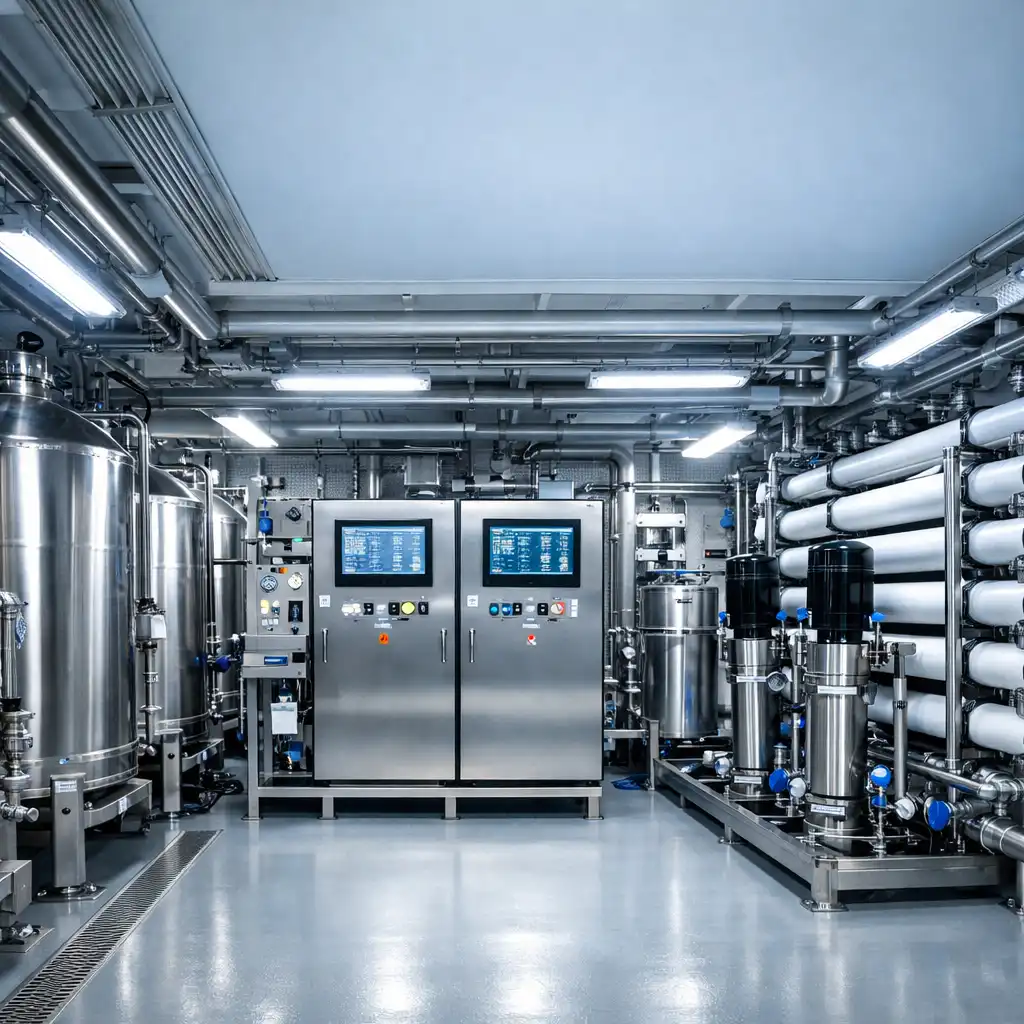
Cruise ships produce their own fresh water through desalination, using reverse osmosis or evaporation. This water is used for drinking, cooking, pools, and laundry, with strict quality controls. Reverse osmosis forces seawater through membranes to remove salt, while evaporation systems use waste heat from engines to distill water. Water is tested regularly to meet international health standards, and a large ship can produce over 1 million liters of fresh water per day. Automated systems monitor water quality continuously, ensuring that every tap and shower meets strict safety standards.
Waste Treatment and Recycling
Advanced waste treatment plants process sewage and gray water to near-drinking quality before discharge. Solid waste is sorted, compacted, and often incinerated or offloaded for recycling at ports. Biological treatment systems break down organic matter, while advanced filtration and UV disinfection ensure safe discharge. Many ships have comprehensive recycling programs for glass, metal, and plastics, and some achieve over 60 percent waste recycling rates. International regulations prohibit discharge of untreated sewage within 12 nautical miles of land, so ships must manage waste carefully throughout every voyage.